
A person may notice their tolerance increasing when they consume the same amount of alcohol as usual but no longer experience the effects with the same level of intensity. Both of these cite an increased tolerance as an indicator of alcohol use disorder. Although the term is no longer used in the new edition of the Diagnostic and Statistical Manual of Mental Disorders (DSM-5), many articles and discussions about AUD refer to alcohol abuse. Support groups are a form of therapy where several people come together and talk about what they’re going through. This non-intense form of treatment allows for a psychological recovery journey from AUD.
This is the rarest subtype, making up only 9% of people addicted to alcohol in the United States. Most individuals in this subtype are middle-aged and started drinking early. Of the five subtypes, they rate highest for other psychiatric disorders and abuse of other substances.
How to Tell If Someone Is an Alcoholic
- After rehab, your specialist will put you in touch with alcohol abuse counselors and support groups, like Alcoholics Anonymous and Al-Anon.
- A person who spends most or all of their free time drinking, or recovering from the effects of drinking, is likely struggling with alcohol misuse.
- Psychotherapy may help a person understand the influences that trigger drinking.
Alcohol can impair judgment, increase irritability, and contribute to aggressive or unpredictable behavior. Over time, these relationship problems can become increasingly challenging to navigate and resolve. Treatment for alcohol use disorder usually involves support and medical care to help you reduce your intake of alcohol or stop drinking altogether.
Early Signs of Alcoholism
The Dove Recovery team is comprised of trained staff members who prioritize their clients’ recovery by finding the best way to support each individual’s path to recovery. Outpatient signs of alcoholism programs offer many of the same benefits as inpatient programs. However, outpatient programs are usually less intensive and restrictive than inpatient treatment. The average duration of daily treatment could range from 8 to 10 hours.
Impact on Daily Life
It is also recommended to find help through a professional who is trained in supporting families of those with alcohol use disorder. The concept of “craving” substances as they relate to substance use disorders has been examined closely in the last couple of decades. For males, consuming alcohol in moderation is limited to two drinks or less per day, and for females, it is one drink or less per day. It is worth noting that these numbers are for each day where drinking takes place and should not be based on an average over several days of drinking.
Evidence Based
Alcoholism symptoms extend far beyond drinking behaviors and create devastating consequences across multiple areas of your life. The signs of alcoholism become most apparent when alcohol consistently interferes with your ability to function normally in work, academic, financial, and legal situations. Failed attempts to cut back or quit drinking entirely signal a loss of control. You might make promises to yourself or loved ones about reducing alcohol consumption, only to break these commitments repeatedly.
These visible signs often alert others to your drinking problem before you recognize it yourself. Frequent intoxication and blackouts create memory gaps during drinking episodes. These blackouts represent periods where you cannot recall events that occurred while drinking, indicating dangerous levels of alcohol consumption.

People with alcohol use disorder (AUD) may be able to hide many of the more obvious symptoms of addiction for a long period of time. People with AUD and the people around them may also choose to ignore the signs. If drinking has begun to interfere with your responsibilities at work, home, or in relationships, it’s a serious sign of alcohol dependency. Individuals with alcoholism may struggle to meet deadlines, neglect household chores, or have trouble maintaining personal relationships due to their alcohol use. If you can’t remember things that happened during or after drinking, this memory lapse indicates that alcohol is interfering with your brain’s ability to store short-term memories. The cost of alcohol consumption can accumulate rapidly, leading to financial strain and potential debt.
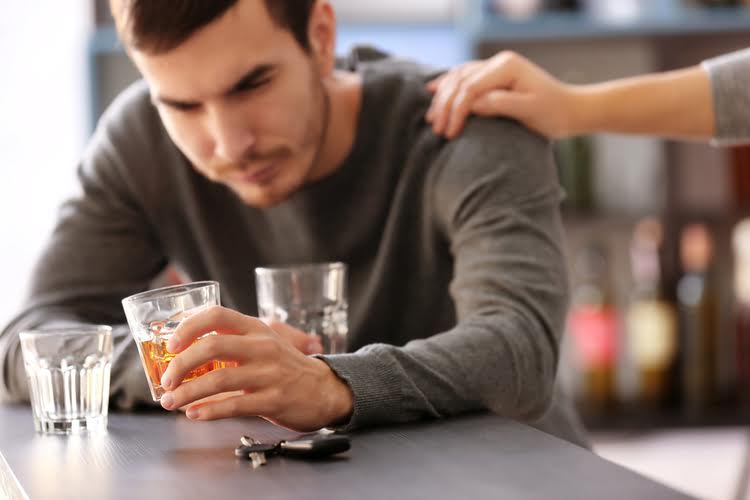
Drinking in Dangerous Situations
If you or someone you know starts showing these signs, you should get immediate help. On the other hand, alcohol continues to trigger its release despite repeated consumption. The brain then gets used to dopamine and seeks it out, hence the cravings.
Early Warning Signs of Heavy Alcohol Use
From there, you will work on maintenance (learning to live sober) and, finally, transcendence or full recovery. In some people, the initial reaction may feel like an increase in energy. But as you continue to drink, you become drowsy and have less control over your actions. Alcohol use disorder can include periods of being drunk (alcohol intoxication) and symptoms of withdrawal. Studies show that the best way to help someone with a substance use problem is to intervene before it worsens.14 To do that, you first need to learn as much as you can Sober living house about alcoholism.
